Are you asking: is a biomass boiler suitable for my home? Discover the benefits of biomass energy, cost-efficiency, and its environmental impact. Learn how to assess your home's suitability, understand installation requirements.
What Is A Biomass Boiler?
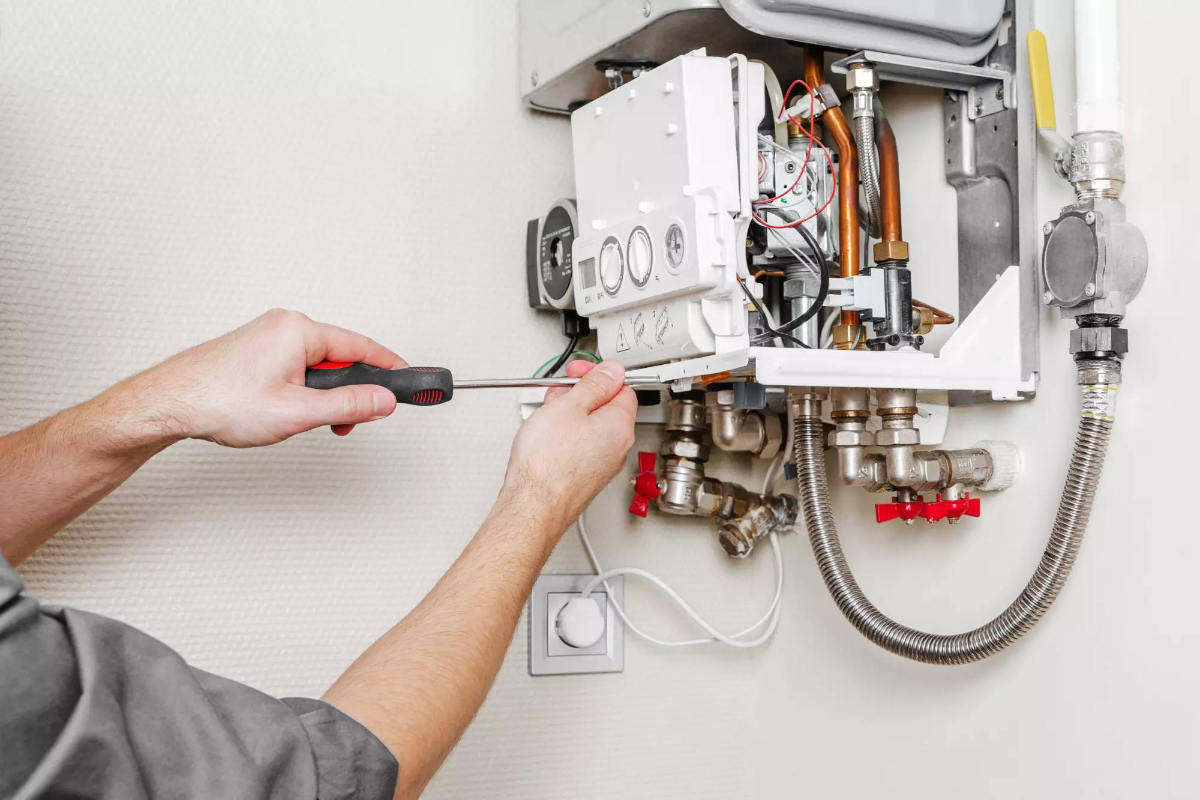
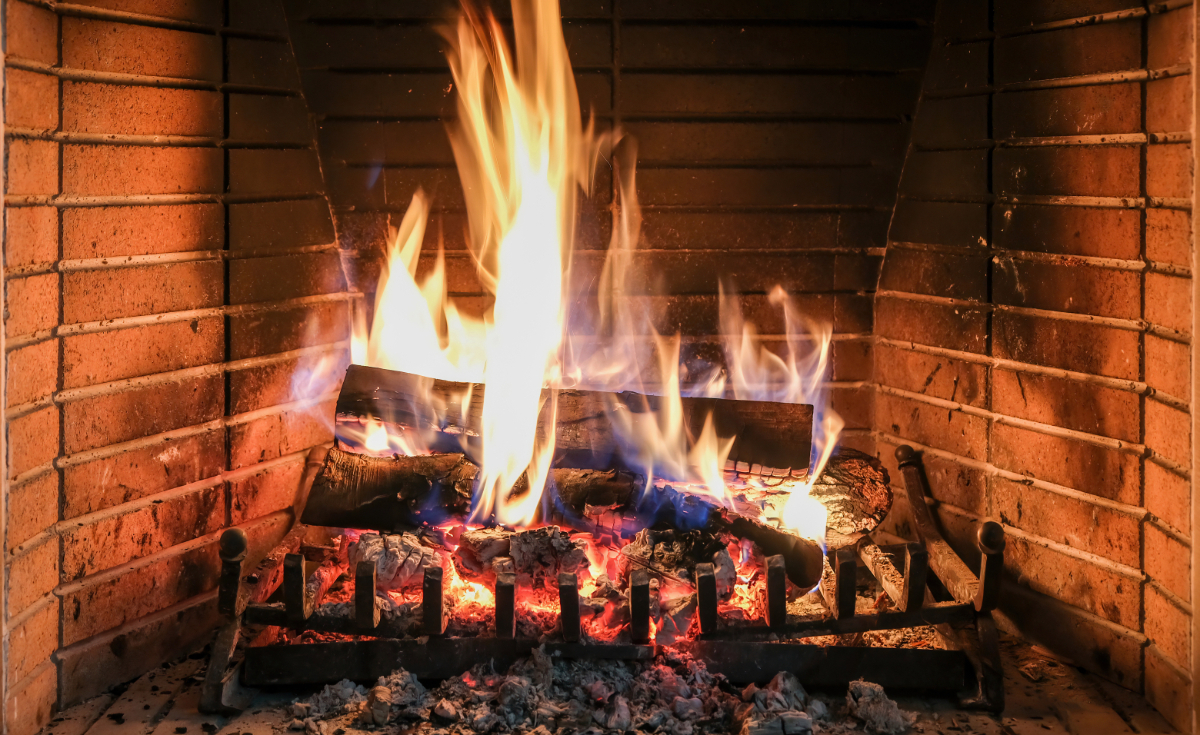
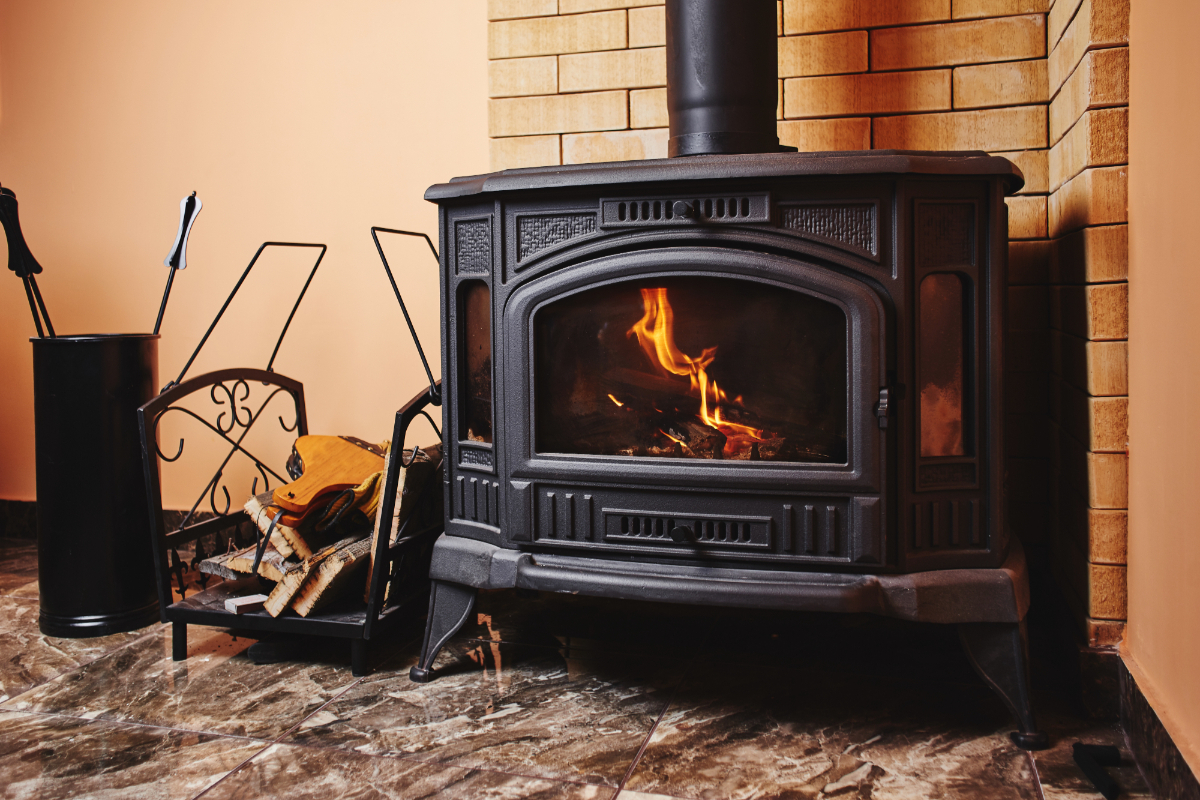
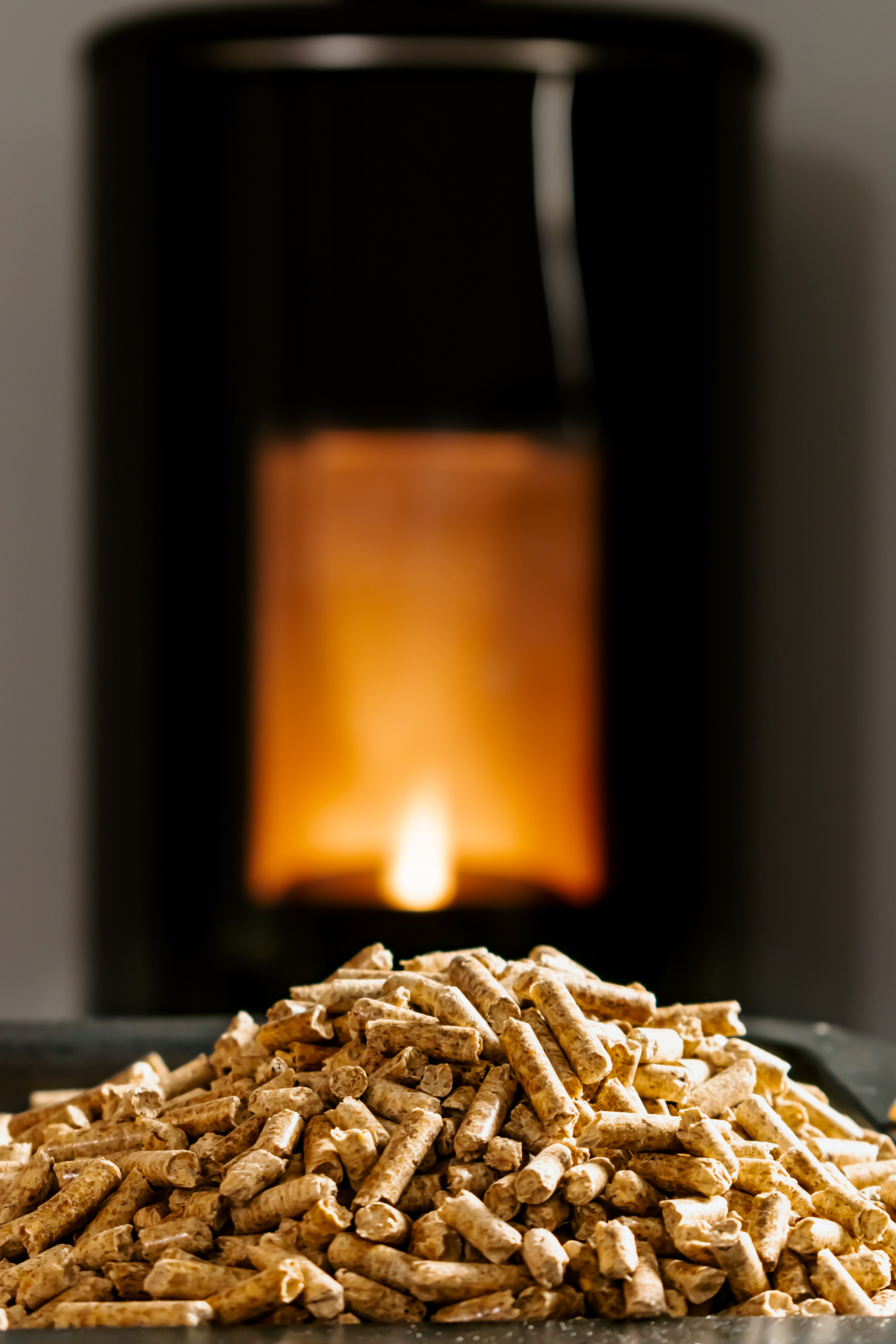
A biomass boiler is a type of innovative technology specifically designed to facilitate the burning of organic materials. These materials can range from wood pellets and logs to chips, which are used to generate heat for homes and buildings. One of the most notable features of a biomass boiler is its ability to decrease the volume of carbon dioxide being discharged into our atmosphere, making it a far more environmentally friendly choice compared to conventional boilers.
The main purpose of utilising this technology is to improve the efficiency of the heating process, thus making a noticeable impact in reducing our carbon footprint. A biomass boiler allows homeowners and businesses to choose a more sustainable option, while still maintaining their comfort. The beauty of this technology lies in its simplicity. Biomass is organic matter, coming from plants and trees. When such material decomposes or gets combusted, it releases energy. The role of the biomass boiler is to harness this energy to heat up water and homes.
Aside from the environmental benefits, another advantage is that biomass fuel often comes cheaper and far more stable than fossil fuel prices. Plus, those who install biomass may be eligible for payments through the government’s Renewable Heat Incentive (RHI). Overall, the adoption of a biomass boiler presents a practical and responsible solution for those hoping to heat their homes or offices efficiently, while also significantly contributing towards the protection of the environment.
Does House Size Matter?
Understanding the viability of a biomass boiler for your home depends on various factors, with the most significant being your property's size. The size of the house plays a crucial part in determining whether a biomass boiler is an appropriate choice for your home or not.
Thus, it's very important to consider your home's size when thinking about installing a biomass boiler. For small homes, a biomass boiler may not be the most suitable solution.
They come in relatively larger sizes, which leads to the consumption of some space in your home for storage. Beyond the size of the boiler, a storage area for the biomass fuel or wood pellets is needed.
Therefore, small size homes may find this problematic, considering the limited space they usually have. In summary, due to space constraints, small houses might not be the best fit for a biomass boiler installation.
On the contrary, larger homes can significantly benefit from a biomass boiler. Biomass boilers are renowned for their ability to generate a substantial amount of heat. Consequently, the heat produced can effectively warm up considerably spacious places.
This makes them a fantastic heating choice for larger properties with ample living spaces. Investing in a biomass boiler in a substantial property could provide considerable heating efficiency and potential cost savings in the long run.
Irrespective of the dwelling's size, it's incredibly valuable to find the right size of the biomass boiler. Selecting the correct size ensures efficient heating of your home without wasting energy, thereby maximising the advantages of employing a biomass boiler.
Factors to consider include the square footage of your home, how well-insulated it is, and your typical usage patterns. All things considered, while size plays an essential role, you should seek expert advice to ensure the right boiler is selected for your individual circumstances.
Do You Need Planning Permission For A Biomass Boiler?
In the United Kingdom, installing biomass boilers is usually a straightforward process that doesn't necessitate obtaining planning permission, particularly if they're intended to integrate with or replace elements of a property's pre-existing heating system. Essentially, this indicates that you can generally replace a conventional boiler with a biomass one without requiring approval from any regulatory bodies. However, it's crucial to note that there are certain exceptions to this rule.
If you're considering a new installation in places such as listed buildings or conservation areas, you may need to apply for planning permission before proceeding. This is due to the fact that these structures and environments are often subject to more stringent regulations to preserve their inherent historical or natural significance. Moreover, even if your property doesn't fall within these categories, you may still have to comply with certain building regulations. For instance, there might be specific rules pertaining to flue outlets, safety considerations, and emission restrictions.
Therefore, before making a decision to install a biomass boiler, it is vital that you seek accurate information about planning permissions in your particular geographical location. This way, you ensure that every aspect of the installation is carried out in line with local regulations and guidelines, preventing any potential legal issues down the line. In summary, while generally, you do not require planning permission to install biomass boilers in the UK, it’s always wise to check local regulations beforehand. Contact your local council, building regulator or trusted professionals for advice about your specific situation.
Do Biomass Boilers Require A Flue?
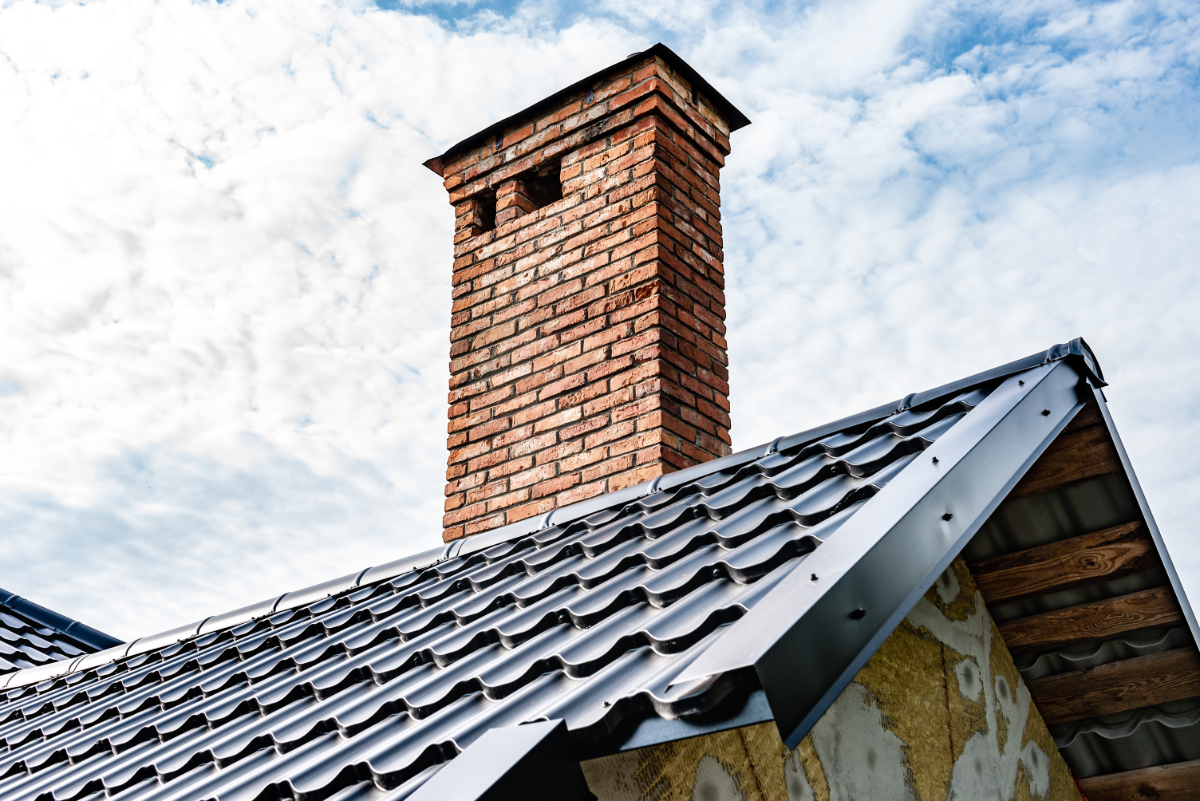
A biomass boiler does indeed require a flue. So, what is the flue and why is it important? Essentially, the flue serves as a tube, pipe, or chimney, which acts as an exhaust passage to remove waste gases produced by the boiler.
This takes place during the combustion process when the biomass materials are ignited to generate heat. Just like in a traditional gas or oil boiler, the biomass boiler relies on a flue to safeguard the property and its occupants from potentially harmful waste gases.
Biomass boilers burn organic materials such as wood pellets, chips, or logs to produce heat. As these substances burn, they emit gases, which need to be safely routed out of the property. The flue accomplishes this vital task, keeping the environment inside the property safe. If you're considering installing a biomass boiler, it's crucial to establish an efficient flue.
This should ideally be a part of the professional installation process. Consequently, you could enjoy the benefits of a biomass boiler, which contributes to environmentally friendly heating solutions, without worrying about these gases.
Can A Biomass Boiler Be Added To An Existing System?
Absolutely, a biomass boiler can be an excellent addition to your existing heating system, offering a myriad of benefits that could enhance your home's heating efficiency and reduce your carbon footprint. The key thing to understand is that a biomass boiler, which is a kind of heating system utilising organic materials such as wood pellets, logs or chips, can be integrated into an existing heating system as long as your system uses hot water to heat your property.
Biomass boilers are known for their potential to provide substantial energy savings, as well as being eco-friendly. They operate by burning organic materials, thus producing heat, which is then transferred to water. This hot water can then be utilised to warm up your property. The beauty of a biomass boiler is in its compatibility with different heating systems. It's a flexible solution that shows great versatility.
However, it is important to note that integrating a biomass boiler into an existing heating system isn't as simple as just swapping out your old boiler for a new one. Different systems may require specific setups and procedures to effectively accommodate a biomass boiler. This is where proper information and professional advice become crucial.
Without sufficient knowledge about your current heating system, the type of biomass boiler you're planning to install and the potential complexities involved, you may encounter issues that could impede the boiler's performance or even lead to system damage. Therefore, before deciding to install a biomass boiler, you should conduct thorough research and seek guidance from professionals. Companies often provide comprehensive consultation services, helping homeowners understand their heating system and determine whether a biomass boiler would be suitable.
As a final thought, it should be noted that while biomass boilers can offer significant benefits, they should only be considered if they're suitable for your home's heating requirements. Investing in a biomass boiler for the sake of green energy is admirable, but it should not come at the expense of efficiency or comfort. Therefore, always ensure that your decision to install a biomass boiler is made with ample understanding and professional guidance.

Reduced Heating Bill
Eco-Friendly
If you would like to learn more about your local Solid Fuel Installation Specialists in Cornwall, please call us today on 01736 732285 and we will be happy to deal with your queries. Find out more about biomass boiler installations in Penzance.