Choosing the wrong stove size
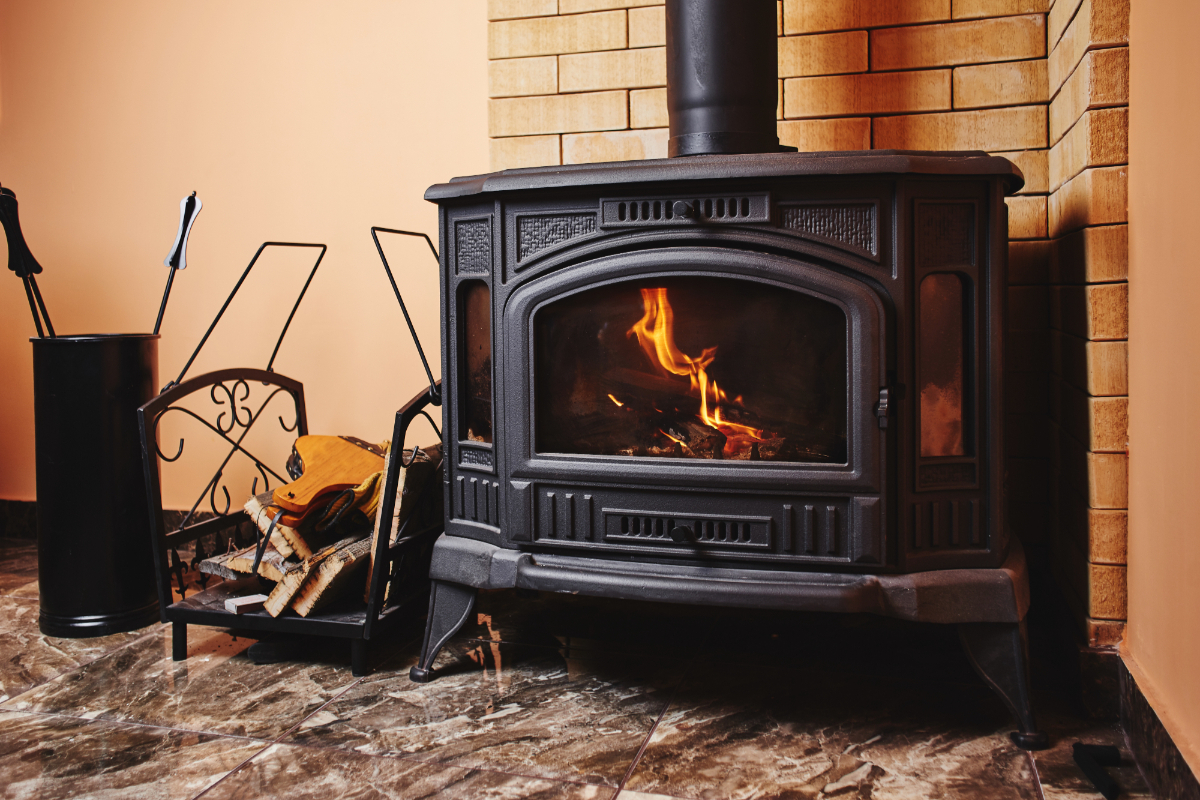
Choosing the wrong stove size is one of the most common mistakes people make when buying a wood burner. It might be easy to pick a model you like, but if the size is wrong, you can end up with a space that's either too hot or too cold.
If the stove is too big for the room, it will produce more heat than you need, which often leads people to create very small fires in order to keep the temperature down. When a stove is kept “ticking over” like this, the wood doesn't burn cleanly, which can cause more smoke, extra soot and tar to form in the flue. Over time, this can also raise the risk of chimney problems and reduce your stove's efficiency.
If the stove is too small, it will struggle to heat the room, especially on cold winter days. In this case, you may find yourself loading more and more logs into the fire just to feel warm. To avoid this mistake, you should always ask for guidance before you buy. A trained installer can work out the correct heat output for your space and suggest the most suitable model.
Poor lighting technique and no kindling base
Poor lighting technique, especially when you don't use a proper kindling base, is a very common mistake people make with wood burners. Poor lighting can lead to slow, smoky fires that are hard to keep going, and they can also cause more soot to build in the stove and chimney.
Most people place a couple of logs in the stove, add a firelighter on top and hope the fire will catch. However, without a good bed of dry kindling underneath, the logs won't receive enough heat to start burning properly. This can cause the fire to struggle, produce a lot of smoke, and usually go out. A lack of kindling and poor lighting can waste your time, and it can stain your stove glass.
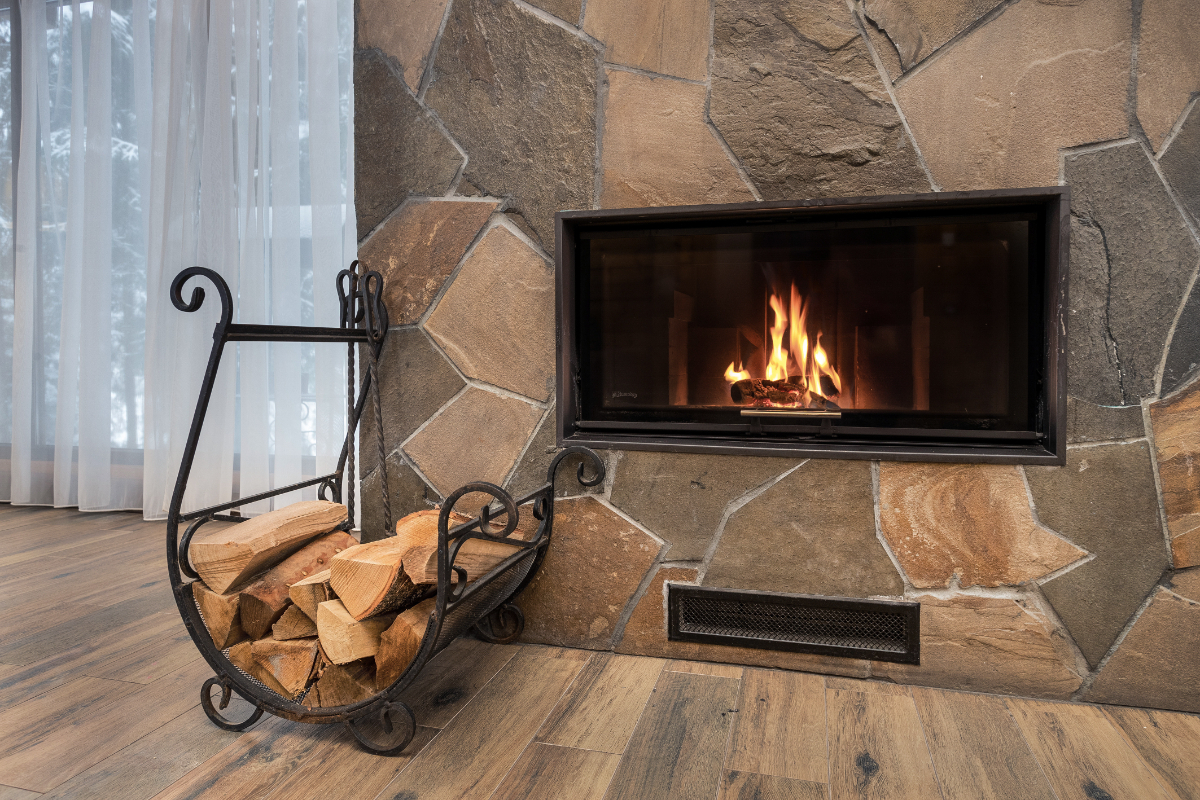
Building a strong base of kindling is the best way to help your fire light and grow. You should place a small layer of loosely crumpled newspaper or a natural firelighter in the centre of the firebox and then place a criss-cross stack of dry kindling sticks above it. The sticks should be thin, dry, and there should be gaps between them to let air through, which helps the flames grow.
You can then place one or two small logs on top of the kindling, rather than large, heavy pieces. When you light the paper or firelighter, the kindling will catch fire quickly and create a hot, bright flame. This flame heats the logs above and encourages them to ignite cleanly. You should open the air controls at first so that plenty of oxygen reaches the fire.
A good lighting technique isn't difficult, but it does require dry wood, patience and a proper kindling base every time. Once you make this technique a habit, your stove will light faster, burn cleaner and produce better heat.
Burning wet or unseasoned wood
Wet wood contains water, so when you light it, most of the heat from the fire is wasted on turning that water into steam instead of heating your room. This means that the fire will feel weak, and you'll end up burning more logs just to get comfortable. The glass on your stove is also more likely to stain due to the smoke, and you may notice dark, sticky deposits building up on the door.
Because wet wood doesn't burn hot and clean, it produces more smoke, soot and tar, which can line the inside of your flue and chimney. Over time, this build-up increases the risk of chimney problems, higher cleaning costs, and lowers your air quality. To avoid this issue, it's best to always use seasoned or kiln-dried wood. Seasoned wood has been left to dry for at least one to two years, often in a well-ventilated space that's not affected by rain. Kiln-dried logs are dried in special rooms until their moisture content is below 20 percent. Using dry, well-prepared wood helps your fire burn better, keeps the glass clearer and reduces soot in your chimney.
Letting ash build up too high
When ash builds up, it reduces the amount of space air can move through. Wood burners rely on a steady flow of air to burn fuel cleanly, so if the fire sits on a thick bed of ash, the air supply becomes restricted, and the wood cannot burn properly. This can lead to weak flames, a lower heat output and more smoke; you may also notice the fire struggling to stay lit or see soot gathering on the glass.

High amounts of ash can cause more soot and tar to form in the chimney since fires that burn poorly create smoky, cooler gases that carry unburned particles up the flue.
Ash can also spill over into air channels and block the vents, which can affect how well the stove works. If ash gathers near the seals or around the door frame, it can also stop the door from closing tightly. This reduces your control over the fire and can make the stove dangerous to use.
To avoid these issues, it's crucial to empty the ash pan regularly. You should wait until the stove is cold to remove the ash, and it's best to leave a thin layer of ash behind since it helps protect the grate and makes lighting the next fire easier. You should also make sure the ash pan doesn't overflow, and clean around the air inlets so that nothing is blocked. Keeping the ash at a sensible level helps your wood burn hotter, cleaner and more efficiently.
Fire Care Southwest Ltd provides safe and reliable wood burner installations across the UK. We can help you choose the right stove size for your home and ensure it's installed correctly. When it comes to heat and comfort, nothing is better than our wood burners.